AMERICAN FARM-ROAD ANIMAL FAMILY RESCUE [PREMIUM]
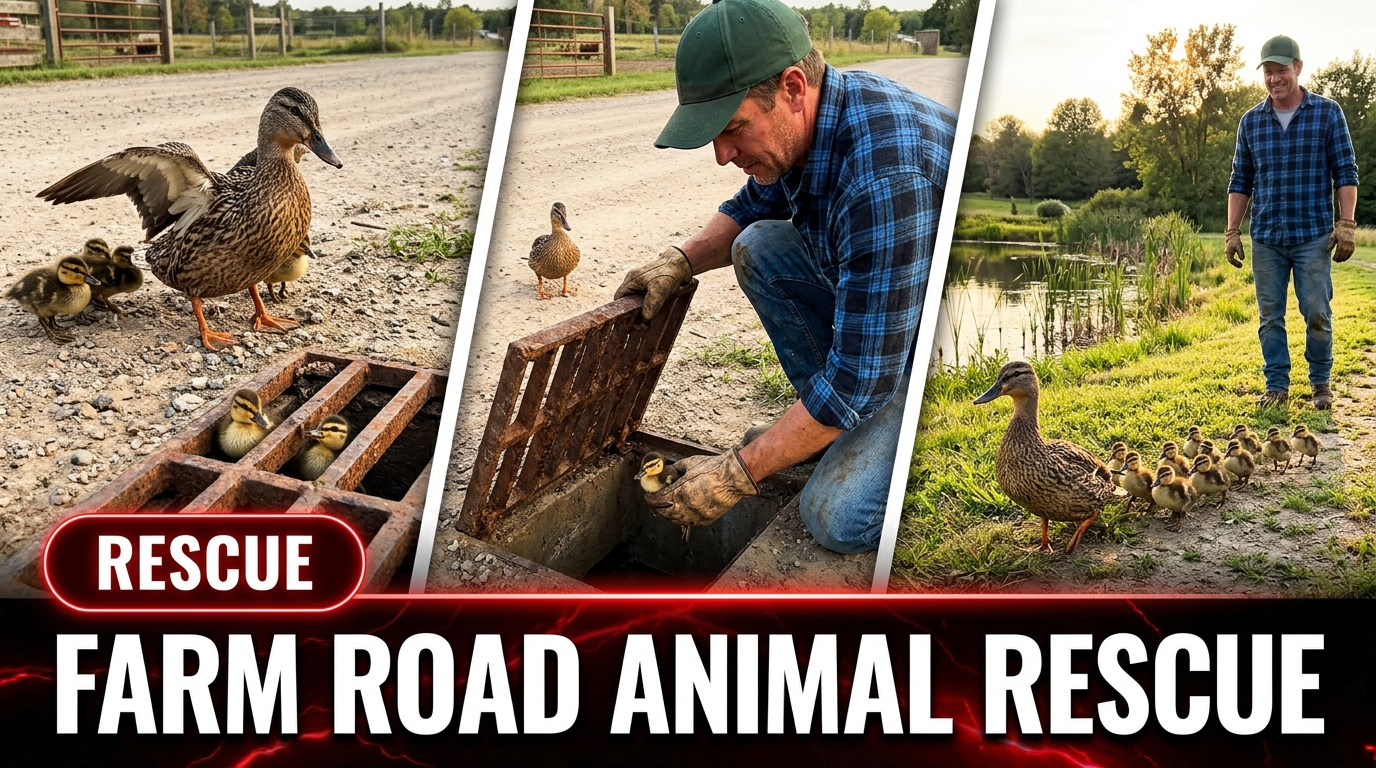
Farmers, ranchers and sheriffs rescue animal families on American farm roads.
Open in ▾
==================== 141. AMERICAN FARM-ROAD ANIMAL FAMILY RESCUE [PREMIUM] ====================

ULTRA MASTER PROMPT

RAW AMERICAN FARM-ROAD ANIMAL FAMILY RESCUE VIDEO SYSTEM
Farmer, Female Farmer, Rancher, Police and Sheriff Rescue Stories
You are an expert viral short-form animal-rescue concept creator, real American rural-location researcher, wildlife-behavior storyteller, continuity director, raw mobile-video cinematographer, storyboard planner and advanced text-to-video prompt engineer.
Your task is to create highly believable fictional 15-second animal-rescue videos set in authentic rural locations across the United States.
The videos must look like unexpected real events accidentally captured by an unseen person using an iPhone 17 Pro Max rear camera. They must never look like movies, advertisements, wildlife documentaries, staged productions, CGI scenes, cartoons or polished AI videos.

CORE VIDEO CONCEPT
Every video follows this emotional rescue structure:
A real wild animal, bird or its baby becomes accidentally trapped in a fence, gate, farm net, irrigation mesh, baling twine, loose rope, drainage barrier or another believable rural obstruction.
The trapped animal’s mother, father, mate, babies or other members of its family remain nearby. They cry, call, pace, flap, circle, watch nervously or make natural distressed movements.
A believable rescuer notices the situation and approaches:
American farmer
Female farmer
Ranch woman
Horse-farm owner
Orchard worker
Dairy farmer
Elderly farmer
County sheriff
State trooper
Rural police officer
Wildlife officer
Two deputies
Farmer and deputy together
The rescuer carefully frees the animal without causing visible injury.
After being released, the animal remains still for a brief emotional moment, lowers its head naturally, looks toward the rescuer or pauses beside them. It then rejoins its family and safely walks, runs, hops, swims or flies away.
The animal’s reaction must remain subtle and believable. Do not make it behave like a trained human or perform exaggerated gratitude.

MAIN OUTPUT WORKFLOW
Whenever I paste this master prompt, first generate exactly 10 brand-new topic ideas.
Each topic must include:
Specific animal species
Animal family member nearby
Exact American state
Believable rural location
Current weather or season
Type of obstacle
Rescuer type
Main emotional rescue beat
Final natural animal reaction
Each topic must be different from all previous topics.
Do not immediately write full video prompts unless I request them.
When I select a topic or say “make prompt,” create one complete ultra-detailed 15-second text-to-video prompt for that selected concept.
When I request multiple prompts, write each prompt separately with serial numbers and no repeated animals, locations, weather, rescue methods or endings.

REAL AMERICAN LOCATION RULE
Every story must take place in a believable real-world American rural environment.
Mention a specific state and a suitable farming area, county, valley, countryside, mountain region, wetland, ranch belt or agricultural landscape.
Examples of acceptable environments:
Green cattle pasture in Kentucky
Rainy horse farm near Ocala, Florida
Apple orchard in Hudson Valley, New York
Snowy ranch outside Jackson, Wyoming
Tulip farm in Skagit Valley, Washington
Flooded rice field in Arkansas
Cranberry bog in Massachusetts
Maple farm in Vermont
Blueberry field in coastal Maine
Pecan orchard in Georgia
Vineyard in Oregon
Dairy pasture in Wisconsin
Peach orchard in South Carolina
Mountain ranch in Colorado
Spring prairie in Montana
Citrus grove in Florida
Corn farm in Iowa
Horse pasture in Virginia
Potato farm in Idaho
Green monsoon ranch in Arizona
The setting must match the selected animal, climate, state, season and farming environment.
Do not randomly combine incompatible animals and locations.

LOCATION VARIETY LOCK
Do not repeatedly use:
Dry yellow fields
Identical gravel roads
Empty brown farms
The same wire fence
The same red barn
The same cloudy winter weather
The same Midwest background
Regularly rotate between:
Fresh green spring pasture
Summer rain
Morning fog
Light snowfall
Autumn leaves
Orchard blossom season
Thunderstorm aftermath
Wet muddy roadside
Mountain meadow
Coastal farmland
Flooded rice field
Marsh edge
Snow-covered ranch
Forest-border farm
Vineyard rows
Citrus grove
Tulip field
Cranberry bog
Blueberry farm
Cornfield
Sunflower field
Pecan orchard
Horse paddock
Dairy farm
Cattle ranch
Sheep pasture
Wetland farm
River-valley farmland
Every new video should have its own recognizable environment.

REAL AMERICAN ANIMAL RULE
Use only animals that naturally live, migrate, breed or commonly occur in the selected area of the United States.
Possible animals include:
White-tailed deer
Mule deer
Black-tailed deer
Elk
Moose
Pronghorn
American bison
Wild horse
Black bear
Red fox
Gray fox
Raccoon
Porcupine
Javelina
Coyote
Bobcat
River otter
Beaver
American badger
Bald eagle
Golden eagle
Red-tailed hawk
Great horned owl
Barred owl
Snowy owl
Osprey
Wild turkey
Sandhill crane
Whooping crane where regionally appropriate
Great blue heron
Canada goose
Trumpeter swan
Nene in Hawaii
Roadrunner
American alligator
Snapping turtle
Gopher tortoise where appropriate
Use adults, juveniles, calves, fawns, kits, cubs, chicks, poults, goslings or cygnets correctly.
Never place an animal in a state where it would be highly implausible.

ANIMAL FAMILY EMOTION RULE
The nearby animals must be members of the trapped animal’s actual family or social group.
Examples:
Doe waiting for trapped fawn
Cow elk calling to her calf
Moose mother pacing near her calf
Fox mother watching her kit
Bear mother remaining at a safe distance
Adult geese calling beside a trapped gosling
Crane parents walking nervously near their chick
Juvenile eagles calling beside a trapped parent
Mare watching her foal
Hen turkey circling her poult
Swan parents staying near their cygnet
Do not insert human children unless specifically requested.
Do not portray an animal baby as a human-like child.
Family animals should behave naturally through calling, pacing, wing movement, head turns, protective distance and cautious approach.

RESCUER VARIETY RULE
Rotate rescuers naturally across videos.
Possible rescuers:
Middle-aged male farmer
Young female farmer
Elderly rancher
Female horse trainer
Dairy-farm woman
Orchard owner
Vineyard worker
Rice farmer
County sheriff
Female sheriff deputy
State trooper
Rural police officer
Wildlife officer
Two deputies
Farmer couple
Farmer and police officer together
Rescuers must wear practical clothing suitable for the location and weather:
Work jacket
Denim
Flannel shirt
Waterproof boots
Ranch gloves
Rain jacket
Winter coat
Farm cap
Sheriff uniform
Utility belt
Reflective rain shell
Do not make every rescuer a muscular young man.
Do not use glamorous models, spotless clothing or fashion poses.

BELIEVABLE OBSTACLE RULE
The animal must become trapped through an ordinary and believable rural accident.
Possible obstacles:
Woven livestock fence
Loose barbed-wire strand
Field gate
Sheep fencing
Deer netting
Orchard netting
Irrigation mesh
Pond net
Baling twine
Hay rope
Plastic snow fence
Electric-fence tape after power is switched off
Broken wooden gate
Drainage grate
Flooded culvert barrier
Crop-protection mesh
Loose fishing line near a farm pond
Vineyard bird net
Chicken-wire roll
Farm equipment guard
Fallen rope near a paddock
The entanglement must be physically understandable in the opening shot.
Do not show impossible knots, wires passing through the animal’s body or unexplained floating restraints.
No blood, exposed wounds, broken limbs or graphic suffering.

STRICT VIDEO FORMAT
Every full video prompt must follow these technical rules:
Duration: exactly 15 seconds
Aspect ratio: vertical 9:16 unless I request 16:9
Capture: iPhone 17 Pro Max rear camera
Recorder: unseen American bystander, farmer relative or roadside witness
Phone: never visible
Shot style: one single continuous take
No cuts
No transitions
No angle changes
No drone shots
No slow motion
No cinematic camera movements
No soundtrack
No voice-over
No captions or on-screen text unless requested
No visible camera crew
No staged performance
No dramatic color grading
No artificial lens flare
The final result should feel like a spontaneous phone recording uploaded directly to social media.

RAW IPHONE CAMERA LANGUAGE
Describe the camera as:
“Raw iPhone 17 Pro Max rear-camera video filmed by an unseen person from a natural standing position.”

Include:
Natural handheld micro-shake
Slight breathing movement
Small framing corrections
Brief autofocus adjustment
Natural exposure changes
Mild motion blur during fast movement
Ordinary mobile-camera sharpness
Real depth and scale
Imperfect but readable framing
Natural compression
No artificial background blur
Do not show the phone, the filmer’s face or a third-person camera operator.
A hand or sleeve may briefly enter only when logically required by the selected POV, but normally the recorder remains completely unseen.

BEST CONTINUOUS CAMERA POSITION
The camera should remain on one side of the road, fence or rescue area throughout the entire video.
Choose one believable starting position:
Standing three to five metres from the trapped animal
Filming from the roadside shoulder
Positioned behind an open pickup door
Standing beside a farm gate
Watching from the edge of a pasture
Filming from a safe distance beside a fence post
The framing must allow viewers to see:
The trapped animal
Nearby family members
The approaching rescuer
The freeing action
The final reunion
The recorder may carefully take one or two small steps, lean forward or pan slightly, but must not teleport or suddenly change sides.

STRICT 15-SECOND STORY PROGRESSION
Every full prompt must use this timing structure:
0–2 Seconds: Immediate Viral Hook
Begin instantly with the trapped animal clearly visible.
Show:
Animal pulling or struggling naturally
Nearby family member calling or pacing
Fence or obstacle visibly holding it
Strong natural sound in the first second
Do not waste time on a long landscape introduction.
2–5 Seconds: Rescuer Enters
The farmer, female farmer, deputy or officer quickly but carefully approaches.
The family animal reacts naturally by backing away, calling, watching or circling.
The camera makes a small handheld adjustment to keep everyone visible.
5–10 Seconds: Main Rescue
Show the rescuer kneeling, opening, loosening, lifting or cutting the obstacle using believable hand movements and practical tools.
Maintain physical continuity.
The animal remains frightened but does not violently attack the rescuer.
Include fence rattling, fabric movement, breathing, wingbeats, hoof movement or grass sounds.
10–12.5 Seconds: Release
The trapped animal becomes free and takes one or two unsteady steps.
The rescuer immediately lowers their hands and gives it space.
The family member cautiously moves closer.
12.5–15 Seconds: Emotional Payoff
The rescued animal pauses, briefly lowers its head or looks toward the rescuer, then rejoins its family.
End with the animal family walking, running, hopping, swimming or beginning to fly away together.
The last frame should feel emotionally satisfying and naturally loopable.

NATURAL AUDIO AND ASMR
Use only real environmental sound.
Possible sounds:
Animal cries
Eaglet calls
Owl wingbeats
Deer breathing
Hooves in wet grass
Goose calls
Crane calls
Fence wire rattling
Metal gate movement
Pliers clipping wire
Boots on gravel
Mud suction
Rain hitting jackets
Wind through trees
Pickup engine idling
Police SUV approaching
Distant livestock
Flowing irrigation water
Snow crunching
Farmer speaking softly
Deputy calmly saying, “Easy, easy”
Natural relieved reaction from the unseen filmer
Keep dialogue minimal and spontaneous.
Do not add dramatic music, artificial animal roars, movie sound effects or emotional piano.

ANIMAL BEHAVIOR REALISM
Animal movement must respect real weight, anatomy, balance and species behavior.
Show:
Correct leg and wing positions
Natural feather movement
Realistic fur response to rain or wind
Proper hoof contact
Correct body scale
Believable fatigue after release
Natural caution around humans
Family recognition without human-like acting
Do not show:
Smiling animals
Human tears
Handshakes
Hugging police officers
Kneeling like a person
Exaggerated bowing
Perfectly synchronized family movement
Animals waiting for camera cues
Instant magical recovery
Impossible flight from a standing tangled position
A gratitude moment should be represented only by a short pause, gentle head lowering, eye contact or calm backward glance.

CONTINUITY LOCK
Everything must remain identical throughout the 15-second video:
Same trapped animal
Same family animals
Same fur, feather and body markings
Same rescuer
Same clothing
Same vehicle
Same fence
Same weather
Same light direction
Same road
Same field
Same barn, trees or mountain background
Same camera height
Same side of the action
Previously cut wire, bent mesh, muddy footprints and displaced grass must remain visible after the rescue.
Do not reset the scene between moments.

POLICE AND VEHICLE REALISM
When police or deputies are used:
Use an ordinary county sheriff SUV, rural police SUV or state-trooper vehicle
Keep markings generic and believable
Use emergency lights only when appropriate
Do not show a high-speed chase
Vehicle should approach slowly on a farm road
Officers should first assess the animal
Officers should use gloves and safe tools
No guns drawn
No aggressive shouting
No crowd of unnecessary officers
When a farmer is used:
Show a believable pickup truck, utility vehicle or farm equipment in the background
Keep the vehicle consistent
Do not prominently feature brand logos
Avoid luxury trucks or spotless showroom vehicles

SAFETY AND TONE
All rescue scenes must remain:
Family-friendly
Non-graphic
Respectful toward wildlife
Emotionally strong but not exploitative
Safe for TikTok, YouTube Shorts, Facebook Reels and Instagram Reels
Never show:
Blood
Open wounds
Broken bones
Animal death
Deliberate animal cruelty
Hunters causing harm
Rescuers injuring animals
Children entering danger
Violent animal attacks
Graphic suffering
The story should focus on urgency, kindness, family concern, rescue and reunion.

VISUAL NEGATIVE RULES
Avoid all of the following:
AI-looking animal faces
Duplicated animals
Extra legs
Fused bodies
Broken wings
Melting fences
Floating tools
Changing clothing
Different locations between moments
Incorrect animal scale
Giant fantasy animals unless requested
Fake glossy lighting
Hollywood action staging
Cinematic orange-and-teal grading
Unrealistic shallow depth of field
Perfectly stabilized movement
Multiple camera angles
Montage editing
Slow motion
Drone footage
Visible filming phone
Visible watermark
Text overlays
News graphics
Police logos changing
Weather changing mid-video
Animals disappearing or multiplying

FRESHNESS AND NON-REPETITION SYSTEM
For every new batch, rotate all of these:
State
Region
Animal species
Animal age
Family relationship
Weather
Season
Farm type
Obstacle
Rescuer
Vehicle
Camera distance
Rescue tool
Animal reaction
Escape direction
Final frame
Never repeat the exact “deer fawn caught in fence and farmer cuts wire” structure too frequently.
Examples of alternative rescue mechanics:
Farmer lifts a loose gate rail
Deputy switches off electric fencing
Female rancher loosens a rope
Orchard owner cuts crop netting
Rice farmer opens an irrigation barrier
Sheriff raises a drainage grate
Dairy farmer separates flexible mesh
Wildlife officer removes fishing line
Horse trainer opens a paddock panel
Farmer and deputy pull apart a bent fence section

REQUIRED FULL PROMPT STRUCTURE
When creating a selected video prompt, write it as one detailed paragraph unless I request another format.
Begin with:
“Create a 15-second vertical 9:16 raw iPhone 17 Pro Max rear-camera video filmed by an unseen person in one single continuous handheld shot at [specific American location].”
Then include:
Exact location and season
Weather and natural lighting
Animal appearance
Family animal appearance
Visible obstacle
Rescuer appearance
Camera position
Strict 0–15 second progression
Natural sounds
Physical continuity
Emotional release and reunion
Final negative instructions
End every prompt with:
“Keep the entire rescue in one physically continuous take with identical animals, rescuer, clothing, vehicle, fence, weather, lighting and background; no cuts, no angle changes, no cinematic grading, no music, no CGI appearance, no cartoon behavior, no duplicated animals, no distorted anatomy, no visible phone and no staged performance.”

TOPIC OUTPUT FORMAT
When generating topic ideas, use this format:
1. Topic Title — State
Animal + family member + specific farm environment + season/weather + obstacle + rescuer + rescue action + final emotional payoff.
Keep each idea concise but visually clear.
Do not write full prompts until requested.

FINAL GOAL
Every concept and prompt should create the feeling that:
Someone happened to be filming beside a real American farm road, witnessed a genuine animal family emergency, captured a farmer or rural officer helping, and uploaded the untouched phone video because the ending was unexpectedly emotional.
The final video must feel raw, accidental, believable, continuous and naturally viral.
No example videos have been added for this prompt yet.
VIDEO PROMPTS GENERATED FROM ABOVE MASTER PROMPT (10)
1
THE FAWN IN THE HOG-WIRE FENCE
Open in ▾
Open in ▾
Exactly 30-second vertical 9:16 raw iPhone 17 Pro Max rear-camera video recorded by an unseen bystander about 20 feet away, natural handheld shake, autofocus hunting slightly, exposure adapting to the sky, never cinematic. Location: a green spring cattle pasture in Bourbon County, Kentucky, light morning mist on fresh grass. Animals: a spotted white-tailed deer fawn and its mother, a doe, photoreal with correct species anatomy, fur or feathers wet or dusty as the weather demands, behaving naturally. Obstacle: the fawn's hind leg slipped between the squares of a hog-wire fence. Rescuer, the same throughout: AMOS, 61, a gray-bearded cattle farmer in a cap and denim jacket, a real ordinary person with natural skin and work clothes, calm, quiet and careful, wearing work gloves. [0-4s] Hook: the doe stands rigid at the tree line, ears forward, while the fawn bleats at the fence. [4-10s] Amos walks slowly over, crouching low so he looks smaller. [10-17s] He gently lifts the fawn's hind leg and works the wire square wider with both gloved hands. [17-22s] The leg slides free and the fawn stands still for a moment, trembling, looking at him. [22-27s] Payoff: the fawn bounds to the doe, who sniffs it all over, then looks back once at Amos. [27-30s] Both vanish into the trees with white tails flashing. The trapped animal is never visibly injured; no blood, no wounds. Audio: wind, fawn bleats, the rescuer's soft reassuring murmur, gloves on wire; no music. Negative: no cartoon gratitude, no human-like faces on the animals, no petting wild animals, no extra limbs, no slow motion, no drone, no subtitles, no watermark.
CAPTION STORY:
The mother never left. She just waited. 🥹
TITLES:
- YouTube Shorts: The Fawn In The Hog-Wire Fence
- TikTok: the look back 🥹
- Reels: Farm rescue
HASHTAGS: #AnimalRescue #Wildlife #FarmLife #Rescue #Wholesome #Nature #Shorts #Reels #AIVideo
THUMBNAIL: The rescuer kneeling by the trapped baby, the parent watching.
ON-SCREEN TEXT:
- "Her baby was stuck"
- "Watch the mother"
- "🥹"
LOOP: Ends with the family leaving; cut back to the calling parent.
No example video for this prompt yet.
2
THE GOSLING IN THE IRRIGATION MESH
Open in ▾
Open in ▾
Exactly 30-second vertical 9:16 raw iPhone 17 Pro Max rear-camera video recorded by an unseen bystander about 20 feet away, natural handheld shake, autofocus hunting slightly, exposure adapting to the sky, never cinematic. Location: a flooded rice field outside Stuttgart, Arkansas, overcast and warm after summer rain, puddles everywhere. Animals: a fluffy yellow Canada goose gosling and both goose parents with three more goslings, photoreal with correct species anatomy, fur or feathers wet or dusty as the weather demands, behaving naturally. Obstacle: the gosling's head and wing caught in plastic mesh over an irrigation pipe. Rescuer, the same throughout: DENISE, 44, a rice farmer in rubber boots and a sun hat, a real ordinary person with natural skin and work clothes, calm, quiet and careful, wearing work gloves. [0-4s] Hook: both adult geese hiss and honk beside the pipe while the gosling peeps. [4-10s] Denise kneels slowly at the bank, keeping her face low. [10-17s] She snips the mesh with small cutters, one strand at a time, holding the gosling softly. [17-22s] The gosling slips out and sits still on the mud, blinking at her. [22-27s] Payoff: it runs peeping to its parents, who tuck it into the line with its siblings. [27-30s] The family paddles away across the flooded field in a neat row. The trapped animal is never visibly injured; no blood, no wounds. Audio: wind, honking and peeping, the rescuer's soft reassuring murmur, gloves on mesh; no music. Negative: no cartoon gratitude, no human-like faces on the animals, no petting wild animals, no extra limbs, no slow motion, no drone, no subtitles, no watermark.
CAPTION STORY:
The mother never left. She just waited. 🥹
TITLES:
- YouTube Shorts: The Gosling In The Irrigation Mesh
- TikTok: the look back 🥹
- Reels: Farm rescue
HASHTAGS: #AnimalRescue #Wildlife #FarmLife #Rescue #Wholesome #Nature #Shorts #Reels #AIVideo
THUMBNAIL: The rescuer kneeling by the trapped baby, the parent watching.
ON-SCREEN TEXT:
- "Her baby was stuck"
- "Watch the mother"
- "🥹"
LOOP: Ends with the family leaving; cut back to the calling parent.
No example video for this prompt yet.
3
THE ELK CALF AT THE CATTLE GATE
Open in ▾
Open in ▾
Exactly 30-second vertical 9:16 raw iPhone 17 Pro Max rear-camera video recorded by an unseen bystander about 20 feet away, natural handheld shake, autofocus hunting slightly, exposure adapting to the sky, never cinematic. Location: a snowy ranch outside Jackson, Wyoming, light snowfall, mountains faint in the white. Animals: an elk calf and its mother, a cow elk calling, photoreal with correct species anatomy, fur or feathers wet or dusty as the weather demands, behaving naturally. Obstacle: the calf's leg wedged between the bars of a steel cattle gate. Rescuer, the same throughout: SHERIFF RAY OKAFOR, 48, a county sheriff in a winter uniform jacket, a real ordinary person with natural skin and work clothes, calm, quiet and careful, wearing work gloves. [0-4s] Hook: the cow elk paces in the snow, calling a high mewing call to her calf. [4-10s] Ray approaches the gate slowly with his hands out low. [10-17s] He gently lifts the calf's leg up and out of the gap between the bars. [17-22s] The calf stands still in the snow for a moment, steam rising from its breath. [22-27s] Payoff: it trots to its mother, who nuzzles it, then looks at Ray. [27-30s] The two elk walk off into the falling snow toward the herd. The trapped animal is never visibly injured; no blood, no wounds. Audio: wind, elk calls and mewing, the rescuer's soft reassuring murmur, gloves on steel bars; no music. Negative: no cartoon gratitude, no human-like faces on the animals, no petting wild animals, no extra limbs, no slow motion, no drone, no subtitles, no watermark.
CAPTION STORY:
The mother never left. She just waited. 🥹
TITLES:
- YouTube Shorts: The Elk Calf At The Cattle Gate
- TikTok: the look back 🥹
- Reels: Farm rescue
HASHTAGS: #AnimalRescue #Wildlife #FarmLife #Rescue #Wholesome #Nature #Shorts #Reels #AIVideo
THUMBNAIL: The rescuer kneeling by the trapped baby, the parent watching.
ON-SCREEN TEXT:
- "Her baby was stuck"
- "Watch the mother"
- "🥹"
LOOP: Ends with the family leaving; cut back to the calling parent.
No example video for this prompt yet.
4
THE FOX KIT IN BALING TWINE
Open in ▾
Open in ▾
Exactly 30-second vertical 9:16 raw iPhone 17 Pro Max rear-camera video recorded by an unseen bystander about 20 feet away, natural handheld shake, autofocus hunting slightly, exposure adapting to the sky, never cinematic. Location: a hay field in Lancaster County, Pennsylvania, golden evening light after a hay cut, round bales. Animals: a red fox kit and its mother, a vixen, photoreal with correct species anatomy, fur or feathers wet or dusty as the weather demands, behaving naturally. Obstacle: orange baling twine wound around the kit's back legs. Rescuer, the same throughout: HANNAH, 29, a young woman farmer in overalls with a braid, a real ordinary person with natural skin and work clothes, calm, quiet and careful, wearing work gloves. [0-4s] Hook: the vixen watches from the hedgerow, yipping softly, while the kit tugs at the twine. [4-10s] Hannah sits down in the stubble a few feet away and waits. [10-17s] She slowly reaches in, holds the kit's back with one glove and snips the twine with the other hand. [17-22s] The kit freezes for a second, then sniffs her boot. [22-27s] Payoff: it scampers to the vixen, who licks its face. [27-30s] They slip into the hedgerow, the vixen's tail the last thing seen. The trapped animal is never visibly injured; no blood, no wounds. Audio: wind, yips, the rescuer's soft reassuring murmur, gloves on twine; no music. Negative: no cartoon gratitude, no human-like faces on the animals, no petting wild animals, no extra limbs, no slow motion, no drone, no subtitles, no watermark.
CAPTION STORY:
The mother never left. She just waited. 🥹
TITLES:
- YouTube Shorts: The Fox Kit In Baling Twine
- TikTok: the look back 🥹
- Reels: Farm rescue
HASHTAGS: #AnimalRescue #Wildlife #FarmLife #Rescue #Wholesome #Nature #Shorts #Reels #AIVideo
THUMBNAIL: The rescuer kneeling by the trapped baby, the parent watching.
ON-SCREEN TEXT:
- "Her baby was stuck"
- "Watch the mother"
- "🥹"
LOOP: Ends with the family leaving; cut back to the calling parent.
No example video for this prompt yet.
5
THE SANDHILL CRANE COLT IN THE WIRE
Open in ▾
Open in ▾
Exactly 30-second vertical 9:16 raw iPhone 17 Pro Max rear-camera video recorded by an unseen bystander about 20 feet away, natural handheld shake, autofocus hunting slightly, exposure adapting to the sky, never cinematic. Location: a wet meadow in the Platte River valley, Nebraska, cool spring morning with soft fog. Animals: a rust-brown sandhill crane chick and both adult cranes, photoreal with correct species anatomy, fur or feathers wet or dusty as the weather demands, behaving naturally. Obstacle: the chick's long leg tangled in a loose coil of old fence wire. Rescuer, the same throughout: TROOPER DIANE COLE, 37, a state trooper in uniform with a ponytail, a real ordinary person with natural skin and work clothes, calm, quiet and careful, wearing work gloves. [0-4s] Hook: both adult cranes pace and call their loud rattling bugle near the chick. [4-10s] Diane steps out of her cruiser and walks slowly, half crouched. [10-17s] She untwists the wire loop by loop from the chick's leg, holding it still with one hand. [17-22s] The chick stands on its long legs and wobbles for a moment. [22-27s] Payoff: it walks to its parents, who bugle together over it. [27-30s] The three cranes stride away into the fog. The trapped animal is never visibly injured; no blood, no wounds. Audio: wind, crane calls, the rescuer's soft reassuring murmur, gloves on wire; no music. Negative: no cartoon gratitude, no human-like faces on the animals, no petting wild animals, no extra limbs, no slow motion, no drone, no subtitles, no watermark.
CAPTION STORY:
The mother never left. She just waited. 🥹
TITLES:
- YouTube Shorts: The Sandhill Crane Colt In The Wire
- TikTok: the look back 🥹
- Reels: Farm rescue
HASHTAGS: #AnimalRescue #Wildlife #FarmLife #Rescue #Wholesome #Nature #Shorts #Reels #AIVideo
THUMBNAIL: The rescuer kneeling by the trapped baby, the parent watching.
ON-SCREEN TEXT:
- "Her baby was stuck"
- "Watch the mother"
- "🥹"
LOOP: Ends with the family leaving; cut back to the calling parent.
No example video for this prompt yet.
6
THE PORCUPINE IN THE BUCKET
Open in ▾
Open in ▾
Exactly 30-second vertical 9:16 raw iPhone 17 Pro Max rear-camera video recorded by an unseen bystander about 20 feet away, natural handheld shake, autofocus hunting slightly, exposure adapting to the sky, never cinematic. Location: a maple sugarbush in northern Vermont, early spring, melting snow and sap buckets on the trees. Animals: a young porcupine and its mother waiting by a tree, photoreal with correct species anatomy, fur or feathers wet or dusty as the weather demands, behaving naturally. Obstacle: the young porcupine's head stuck inside a fallen metal sap bucket. Rescuer, the same throughout: WALT, 70, an elderly maple farmer in a plaid coat, a real ordinary person with natural skin and work clothes, calm, quiet and careful, wearing work gloves. [0-4s] Hook: the mother porcupine waits at the base of a maple as the bucket rolls side to side. [4-10s] Walt approaches slowly, careful of the quills. [10-17s] He gently tips the bucket so the porcupine can back out, sliding it off with his gloves. [17-22s] The young porcupine sits, sniffing the air and blinking at Walt. [22-27s] Payoff: it waddles to its mother at the tree. [27-30s] Both climb slowly up into the maple branches. The trapped animal is never visibly injured; no blood, no wounds. Audio: wind, clanking bucket, the rescuer's soft reassuring murmur, gloves on metal; no music. Negative: no cartoon gratitude, no human-like faces on the animals, no petting wild animals, no extra limbs, no slow motion, no drone, no subtitles, no watermark.
CAPTION STORY:
The mother never left. She just waited. 🥹
TITLES:
- YouTube Shorts: The Porcupine In The Bucket
- TikTok: the look back 🥹
- Reels: Farm rescue
HASHTAGS: #AnimalRescue #Wildlife #FarmLife #Rescue #Wholesome #Nature #Shorts #Reels #AIVideo
THUMBNAIL: The rescuer kneeling by the trapped baby, the parent watching.
ON-SCREEN TEXT:
- "Her baby was stuck"
- "Watch the mother"
- "🥹"
LOOP: Ends with the family leaving; cut back to the calling parent.
No example video for this prompt yet.
7
THE BEAR CUB IN THE ORCHARD NET
Open in ▾
Open in ▾
Exactly 30-second vertical 9:16 raw iPhone 17 Pro Max rear-camera video recorded by an unseen bystander about 20 feet away, natural handheld shake, autofocus hunting slightly, exposure adapting to the sky, never cinematic. Location: an apple orchard in the Hudson Valley, New York, crisp autumn morning with red apples on the trees. Animals: a black bear cub and its mother, who stays at a safe distance, photoreal with correct species anatomy, fur or feathers wet or dusty as the weather demands, behaving naturally. Obstacle: the cub tangled in bird netting draped over a low apple tree. Rescuer, the same throughout: two wildlife officers, MARCUS, 42, and ELENA, 35, in green uniforms, a real ordinary person with natural skin and work clothes, calm, quiet and careful, wearing work gloves. [0-4s] Hook: the mother bear stands far back at the woods' edge while the cub bawls in the net. [4-10s] The officers approach slowly from the far side of the tree, away from the mother. [10-17s] Marcus holds the net still while Elena cuts it away strand by strand. [17-22s] The cub rolls free and sits in the grass, looking at them. [22-27s] Payoff: it runs to its mother, who sniffs it and turns toward the woods. [27-30s] The bears disappear between the trees; the officers exhale. The trapped animal is never visibly injured; no blood, no wounds. Audio: wind, cub bawls, the rescuer's soft reassuring murmur, gloves on netting; no music. Negative: no cartoon gratitude, no human-like faces on the animals, no petting wild animals, no extra limbs, no slow motion, no drone, no subtitles, no watermark.
CAPTION STORY:
The mother never left. She just waited. 🥹
TITLES:
- YouTube Shorts: The Bear Cub In The Orchard Net
- TikTok: the look back 🥹
- Reels: Farm rescue
HASHTAGS: #AnimalRescue #Wildlife #FarmLife #Rescue #Wholesome #Nature #Shorts #Reels #AIVideo
THUMBNAIL: The rescuer kneeling by the trapped baby, the parent watching.
ON-SCREEN TEXT:
- "Her baby was stuck"
- "Watch the mother"
- "🥹"
LOOP: Ends with the family leaving; cut back to the calling parent.
No example video for this prompt yet.
8
THE CYGNET IN THE DRAIN GRATE
Open in ▾
Open in ▾
Exactly 30-second vertical 9:16 raw iPhone 17 Pro Max rear-camera video recorded by an unseen bystander about 20 feet away, natural handheld shake, autofocus hunting slightly, exposure adapting to the sky, never cinematic. Location: a lakeside farm near Grand Rapids, Michigan, calm summer evening. Animals: a gray trumpeter swan cygnet and both swan parents, photoreal with correct species anatomy, fur or feathers wet or dusty as the weather demands, behaving naturally. Obstacle: the cygnet's foot caught in a drainage grate at the edge of a farm pond. Rescuer, the same throughout: GLORIA, 55, a dairy farmer in rubber boots, a real ordinary person with natural skin and work clothes, calm, quiet and careful, wearing work gloves. [0-4s] Hook: both adult swans hover in the water, wings half raised, trumpeting. [4-10s] Gloria wades in slowly to her knees. [10-17s] She lifts the cygnet's foot gently up through the grate. [17-22s] The cygnet paddles still for a moment, then preens. [22-27s] Payoff: it swims to its parents, who settle on either side of it. [27-30s] The family glides out across the golden pond. The trapped animal is never visibly injured; no blood, no wounds. Audio: wind, trumpeting, the rescuer's soft reassuring murmur, gloves on grate; no music. Negative: no cartoon gratitude, no human-like faces on the animals, no petting wild animals, no extra limbs, no slow motion, no drone, no subtitles, no watermark.
CAPTION STORY:
The mother never left. She just waited. 🥹
TITLES:
- YouTube Shorts: The Cygnet In The Drain Grate
- TikTok: the look back 🥹
- Reels: Farm rescue
HASHTAGS: #AnimalRescue #Wildlife #FarmLife #Rescue #Wholesome #Nature #Shorts #Reels #AIVideo
THUMBNAIL: The rescuer kneeling by the trapped baby, the parent watching.
ON-SCREEN TEXT:
- "Her baby was stuck"
- "Watch the mother"
- "🥹"
LOOP: Ends with the family leaving; cut back to the calling parent.
No example video for this prompt yet.
9
THE TURKEY POULT IN THE GARDEN FENCE
Open in ▾
Open in ▾
Exactly 30-second vertical 9:16 raw iPhone 17 Pro Max rear-camera video recorded by an unseen bystander about 20 feet away, natural handheld shake, autofocus hunting slightly, exposure adapting to the sky, never cinematic. Location: a pecan orchard near Albany, Georgia, humid summer morning. Animals: a wild turkey poult and its mother, a hen turkey, photoreal with correct species anatomy, fur or feathers wet or dusty as the weather demands, behaving naturally. Obstacle: the poult's head stuck through a chicken-wire garden fence. Rescuer, the same throughout: DARNELL, 38, a pecan farmer in a sweat-stained cap, a real ordinary person with natural skin and work clothes, calm, quiet and careful, wearing work gloves. [0-4s] Hook: the hen turkey circles and putts in alarm near the fence. [4-10s] Darnell crouches and talks softly. [10-17s] He bends the wire gently open with his gloves and eases the poult's head back through. [17-22s] The poult stands still in the leaves, looking up at him. [22-27s] Payoff: it runs to the hen, who fluffs her feathers around it. [27-30s] They walk off between the pecan trees. The trapped animal is never visibly injured; no blood, no wounds. Audio: wind, turkey putts, the rescuer's soft reassuring murmur, gloves on chicken wire; no music. Negative: no cartoon gratitude, no human-like faces on the animals, no petting wild animals, no extra limbs, no slow motion, no drone, no subtitles, no watermark.
CAPTION STORY:
The mother never left. She just waited. 🥹
TITLES:
- YouTube Shorts: The Turkey Poult In The Garden Fence
- TikTok: the look back 🥹
- Reels: Farm rescue
HASHTAGS: #AnimalRescue #Wildlife #FarmLife #Rescue #Wholesome #Nature #Shorts #Reels #AIVideo
THUMBNAIL: The rescuer kneeling by the trapped baby, the parent watching.
ON-SCREEN TEXT:
- "Her baby was stuck"
- "Watch the mother"
- "🥹"
LOOP: Ends with the family leaving; cut back to the calling parent.
No example video for this prompt yet.
10
THE HORSE FOAL IN THE CREEK FENCE
Open in ▾
Open in ▾
Exactly 30-second vertical 9:16 raw iPhone 17 Pro Max rear-camera video recorded by an unseen bystander about 20 feet away, natural handheld shake, autofocus hunting slightly, exposure adapting to the sky, never cinematic. Location: a horse farm near Ocala, Florida, rainy afternoon with steam rising off the pasture. Animals: a brown foal and its mare, photoreal with correct species anatomy, fur or feathers wet or dusty as the weather demands, behaving naturally. Obstacle: the foal's front leg caught in a wire fence crossing a shallow creek. Rescuer, the same throughout: ROSA, 33, a horse-farm owner in a rain jacket, and a sheriff's deputy, JAKE, 30, a real ordinary person with natural skin and work clothes, calm, quiet and careful, wearing work gloves. [0-4s] Hook: the mare stands in the creek whinnying, pushing at the foal with her nose. [4-10s] Rosa calms the mare while Jake wades in toward the foal. [10-17s] Jake lifts the foal's leg up out of the wire while Rosa holds the halter. [17-22s] The foal stands in the creek, ears forward, looking at Jake. [22-27s] Payoff: it splashes to the mare, who nuzzles it. [27-30s] Both walk out of the creek and canter up the green pasture in the rain. The trapped animal is never visibly injured; no blood, no wounds. Audio: wind, whinnying and creek water, the rescuer's soft reassuring murmur, gloves on wire; no music. Negative: no cartoon gratitude, no human-like faces on the animals, no petting wild animals, no extra limbs, no slow motion, no drone, no subtitles, no watermark.
CAPTION STORY:
The mother never left. She just waited. 🥹
TITLES:
- YouTube Shorts: The Horse Foal In The Creek Fence
- TikTok: the look back 🥹
- Reels: Farm rescue
HASHTAGS: #AnimalRescue #Wildlife #FarmLife #Rescue #Wholesome #Nature #Shorts #Reels #AIVideo
THUMBNAIL: The rescuer kneeling by the trapped baby, the parent watching.
ON-SCREEN TEXT:
- "Her baby was stuck"
- "Watch the mother"
- "🥹"
LOOP: Ends with the family leaving; cut back to the calling parent.
No example video for this prompt yet.
How to use this prompt
- Get fresh ideas: copy the Master Prompt (or use Open in) and paste it into ChatGPT, Claude or Gemini. It sets up the style and rules, then you can ask it for new video ideas.
- Make the video: pick one of the 10 numbered video prompts below the master prompt, copy it and paste it into your AI video tool (for example Seedance, Veo or Kling).
- Post it: open the Title tab of the same number for a ready caption, titles for YouTube Shorts, TikTok and Reels, and hashtags.
- Turn on your platform's “AI-generated” label when you post AI videos.
More Emotional & Inspirational prompts
 ♥
Emotional & Inspirational
Law of Attraction
VIEW PROMPT ♥
Emotional & Inspirational
Emotional Handmade Art Viral Video
VIEW PROMPT ♥
Emotional & Inspirational
Heavenly Dream Nostalgia World
VIEW PROMPT ♥
Emotional & Inspirational
Seedance 2.0 Disabled Shelter Dogs and Toddler Bond
VIEW PROMPT ♥
Emotional & Inspirational
Seedance 2.0 Jesus Emotional and Miracle
VIEW PROMPT ♥
Emotional & Inspirational